


Introduction
Sexual health is a normal part of being human. So why does it still feel like the topic everyone tiptoes around?
World Sexual Health Week 2026 runs from September 14 to September 20. It continues the long-standing message that the World Association for Sexual Health (WAS) has promoted since launching World Sexual Health Day in 2010: sexual health is part of overall health and deserves open, science-based discussion.
Today, sexual health organisations in many countries use September to run awareness campaigns, which makes reliable information easier to find.
No lectures. No shame. No pressure. Just real questions, accurate answers, and a healthier way to think about your body and your relationships.
Why World Sexual Health Week More Than You Think

For many people, sex education stopped at "be careful" and never went deeper, so sexual health only shows up when something feels wrong.
In reality, sexual health belongs in everyday healthcare, just like nutrition and exercise. That message matters most for young adults, because growing up means taking responsibility for your body, your relationships and your choices.
At the same time, the internet makes information easier to find and misinformation easier to spread, so a dedicated week gives people a reliable chance to pause, check sources and refresh what they know.
Education reduces shame. When people feel free to ask questions, they seek help earlier and make more confident decisions about their health.
What people do during this week
World Sexual Health Week 2026 gives people a clear starting point to turn those choices into habits. Good sexual health is not the result of one perfect decision.
It grows from understanding your needs, knowing where to find support and protecting both your physical and emotional wellbeing.
During World Sexual Health Week 2026, the same goal brings different people to different actions.
- Young adults and students often use the week to book their first STI test or refresh what they know about sexual health.
- Couples and partners use the week to have one honest conversation about boundaries, preferences and protection.
- People who use sexual wellness products check materials, cleaning and storage instructions, and replace anything that no longer fits their needs.
- Clinics and professionals use the week to offer confidential testing, treatment and advice without judgement.
Step one, know when to seek STI testing and support

STI prevention and testing are essential parts of sexual healthcare, but myths still confuse people. One common belief is that testing only matters when symptoms appear.
Not true.
Some infections show no obvious signs, which means someone can have an infection without knowing. That is why many people use World Sexual Health Week 2026 as their regular reminder to get tested.
Regular awareness changes that. Testing is not a punishment and not a crisis response. It is a way to understand your health and make smarter choices.
According to the World Health Organization, prevention, testing and access to healthcare are all core parts of protecting sexual wellbeing.
Consider seeking advice in these situations.
1. Unusual symptoms appear
2. Possible exposure to an STI
3. A new relationship starts and clearer information is needed
4. Professional reassurance is simply wanted
Step two, make prevention part of daily awareness

Prevention works best when it comes from confidence, not fear. That means learning how infections are transmitted, knowing your protection options and talking honestly with partners.
These conversations can feel awkward at first. They also build trust and reduce uncertainty. During the week, more people take a few minutes to review their options and decide what fits their life.
Another common misunderstanding is that one approach fits everyone. It does not. Relationships, health history, lifestyle and personal preferences all shape which choices make sense.
The goal of prevention is not to create anxiety. It is to help people feel prepared and confident.
Step three, communicate, get consent and know your boundaries

Medical knowledge matters, but healthy relationships run on communication. That means expressing needs, discussing boundaries and respecting the other person's choices.
Open conversations are one of the main themes of World Sexual Health Week 2026, because they make support easier to find and decisions easier to make.
Consent is the foundation of all of it. It means everyone freely agrees and feels comfortable, it is never assumed, and it can change at any time.
A useful way to remember consent is through five principles.
- Freely given, without pressure
- Reversible, and can be withdrawn at any time
- Informed, based on clear understanding
- Enthusiastic, not reluctant
- Specific, limited to what was agreed
Step four, understand your own comfort
Sexual wellbeing looks different for everyone, and that is exactly how it should be. Social media and pop culture create expectations, but your health should not be defined by comparison. A healthier approach starts with self-awareness.
Know your preferences, recognise your boundaries and choose based on comfort rather than pressure. For some people, that means improving communication with a partner.
For others, it means learning more about their own body.
During World Sexual Health Week 2026, taking time to understand your own comfort is part of the point, and the habit can stay with you all year.
How to choose sexual wellness products
The conversation around sexual wellness products has changed a lot in recent years. They are no longer a whispered secret. More adults now treat them as part of self-care, confidence and overall wellbeing.
But "more open" does not mean "no thinking required." Like any personal wellness product, sexual wellness products need informed choices, responsible use and attention to quality and hygiene.
The good news is that checking these things is simple once you know what to look for.
What to Check Before You Buy
|
What to check
|
Why it matters |
|
Materials
|
Body-safe, non-porous materials protect comfort and safety |
|
Use instructions
|
Clear guidance helps correct and comfortable use |
|
Cleaning guidance
|
Proper hygiene supports a safer experience |
|
Storage instructions
|
Good storage keeps the product in better condition |
|
Brand transparency
|
Honest brands explain claims instead of exaggerating them |
How Toendi Supports Informed Choices
Products alone are not enough. People also need education, guidance and a clearer understanding of how choices relate to their own needs. That is where a responsible brand can help.
Toendi connects with the message of World Sexual Health Week 2026 by supporting informed choices and a more open understanding of sexual wellbeing.
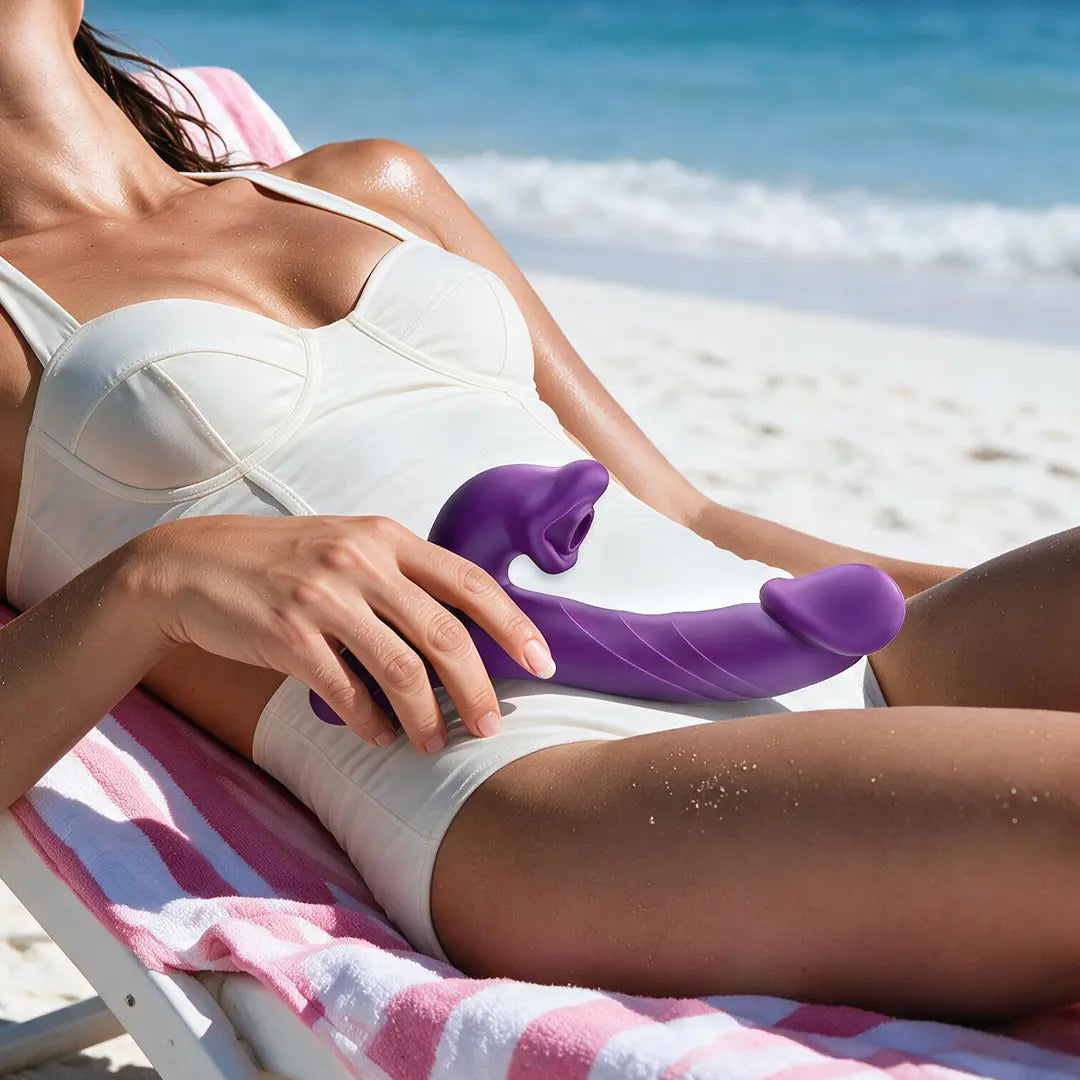
[product:lemon-vibrator-and-clitoral-suction-vibrator-by-toendi]
[product:toendi-cherly-vibrators]
[product:toendi-aurora-thrusting-vibrators]
Instead of treating sexual health as something to hide, the brand creates room for education, curiosity and responsible decisions, so people can choose with confidence and use products safely.
FAQ
These are the questions people ask most often during the week.
Q1: When should I get tested?
Whenever you are unsure. A good rule is to test after a new partner, after possible exposure or as part of a routine check. Symptoms are not the only signal.
Q2: What if I feel too embarrassed to ask?
Start with a confidential appointment or a reliable website. Professionals hear these questions every day, and you do not need to be perfect before you ask.
Q3: Is prevention the same for everyone?
No. Your relationships, health history and preferences matter. Choose options that fit your life, and review them as circumstances change.
Let's make sexual health a part of our daily lives.
Sexual health deserves attention all year, not just during one awareness week. Reliable information, honest communication and thoughtful choices create healthier experiences now and later. This World Sexual Health Week 2026 starts with one small step. Ask a question, check a source or have a real conversation.
About the Author
Olivia Hart is a lifestyle writer who explores sex, intimacy, and modern relationships with honesty and curiosity. Her work focuses on female pleasure, sexual confidence, and making conversations about sex feel open, real, and relatable.
References
World Health Organization. Sexual health.
World Sexual Health Week 2026, September 14-20, 2026
Futher reading
World Sexual Health Day 2026: What It Means and How to Prioritize Your Sexual Health
Not Into Pride Parades? 6 Hidden Pride Month Events Worth Exploring in 2026
South Africa’s Women’s Movement in 2025: A Year in Review
International Female Orgasm Day: History, Meaning, and How to Celebrate







1 comment
HOW I GOT CURED FROM HERPES: I already gave up on ever getting cured of herpes because I have tried many treatment and none has work, I have gone to different hospitals they always recommend me same drugs and it not working on me, until I came across a post about DR ABA on the net. from a lady who is recommending people, then i contacted him that day, and he started giving me hope and then prepared some herbal medicine which I took according to his prescription on them, so I was still doubting if it was working on me so at a time my Husband just ask me to go for check up and I did, so I found out that I was cure and free from the herpes virus, thanks to DR ABA once again. his email address is dr.abaherbalhome@gmail.com or WhatsApp him on +2348107155060.